28.02.2025
Size of student group: 15 (at the time of observation it might be led in a smaller group or as a series of 1:1 tutorials)
Observer: Tim Stephens
Observee: Eden Chahal
Note: This record is solely for exchanging developmental feedback between colleagues. Its reflective aspect informs PgCert and Fellowship assessment, but it is not an official evaluation of teaching and is not intended for other internal or legal applications such as probation or disciplinary action.
Part One
What is the context of this session/artefact within the curriculum?
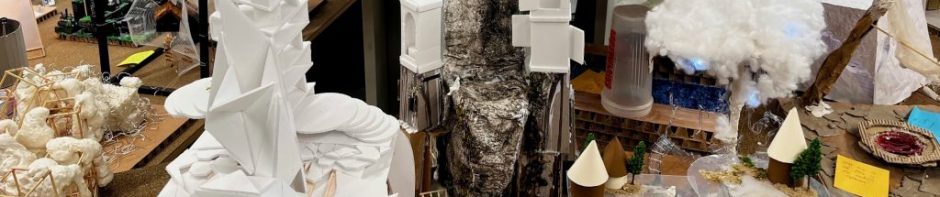
This is the second session of Unit 3 in the first year of BA Interior and Spatial Design. The unit is based on the book Invisible Cities by Italo Calvino. Students are expected to each choose a city and transform the written fiction into a physical model.
How long have you been working with this group and in what capacity?
This is part of a cover for the programme’s course leader. I am only covering this unit, and the observation will take place in the second session. I have been in contact with the students as part of my technician role, delivering software training.
What are the intended or expected learning outcomes?
- LO1: Make appropriate choices regarding the selection of reliable sources and critically examine your ideas and findings (Enquiry).
- LO2: Explore and analyse theoretical perspectives to question norms, practices, and biases embedded in societies and cultures (Knowledge).
- LO3: Demonstrate the use of writing, drawing, and making to experiment, design, and construct a thematic scale model (Process).
- LO4: Compose an illustrated and academically referenced journal that narrates the research and process of a theoretical and practical study (Communication).
What are the anticipated outputs (anything students will make/do)?
Students will build a model reflecting their interpretation of the city they have chosen. They are all working with a 30 × 30 cm base, allowing them to assemble their models for a small presentation/exhibition. They will also submit a design journal documenting their process, research, ideas, and final outcome (2000 words).
Are there potential difficulties or specific areas of concern?
This is a new role for me, so the main challenge is the novelty. Additionally, as this is the start of the unit, the key difficulty is getting students to kickstart their work, enabling me to provide them with feedback on their progress.
How will students be informed of the observation/review?
They have been informed via email, and I will reiterate this at the start of the session, giving them the option to have their tutorial at another time if they prefer.
What would you particularly like feedback on?
Any feedback is welcome; however, I have noticed that I tend to struggle more with groups than in individual tutorials. Any feedback that could help in that area would be particularly useful.
How will feedback be exchanged?
I am happy to receive written feedback, as I will not be able to leave the classroom at the end of the observation for a verbal discussion.
Part Two
Summary and key points
The method I use for everyone’s teaching observations is to try and note the progress of the session – this is really to remind you of the session so you can recall it. I will not cover everything you said in such complex tutorials as these. Then, I comment on any issues arising. I use “ “ to indicate actual speech and [ ] to make comments or describe.
Sorry, it’s rather long!!…this is a ‘reminder document’ to help you reflect on the session as you replay it in yr memory…but the comments are shorter, around 500 words…
[You announce the plan to the group and mention the models, the email, the plan for the day…and group.
[You explain and introduce for the first student; the scope
1st Student
“Is this a finalised thing or a representation of…
“Have you started making…?
St. responds
Are these scans or are they photos…if you can scan them….[You explain why scanning the. Is useful
“One thing you could do….is save your material…titles and references…
Is this one and this one the same, no?
St. responds and explains…[they explain an idea that is not quite integral to the brief]
“If you wanted to do that you’d have to justify it….[Explaining further, you help keep student on track and establish boundaries
“Is there a reason… it’s a little outside of the brief…you advise
[You both look through the book of drawings…St. explaining cities as memory, nostalgia…
[Have a discussion…talks through seashells idea…you explore
“What else have you…?
St. wasn’t sure about one big city or smaller…
[You feedback…”it would have been amazing if…
“This is your work….final idea, or a representation…
St. I put them on padlet..
“Maybe after the representation of the city…
“You can scan them…
[You look through the padlet or maquettes on screen…
“Is this the same…
“One thing, why did you choose this method…oh you have more..it’s really good that…
“I think there is a form/idea you are struggling with..[with clay] not an easy one to work with…[Yu explain what you think she is struggling with…and explain clay
[You explain about some possibilities…very detailed and engaged]
General form and experiment with larger fragments..
Are you still thinking about this, that’s why you didn’t have crit..?
St…[explains two separate ones] half and half and hinge…
“I wouldn’t think of both in half…if it’s important…[you explain how she should proceed about the model, and how they should connect
[There’s a fundamental question about structure and form; experimenting with more models…]
“You discuss further about quick ness (doing something quickly?), shape and modelling shapes…
[You explain about prototype…
St. explains between this one and this one…
“In terms of volumes….this one (screen) reminds me of this and this (drawing)…in this one you’ve achieved the effect…
“Are you happy with…how can you try to…[These are wonderful interventions…great phrases to use…at any time!
“Experimentation has helped you visualise how you want your model to look…
“I think this one is interesting as the half that you want…
“If you tried maybe 3 ways…
St dialogues with you..[on iterations…
“Something that covers with clay…something…The problem with clay is that is has water in it..[?] You explore the materials dimension…you bring them in a box…so you have them…
[Practical guidance
“The shape that you want, to achieve the shape and same effect that you want…
This technique that you’ve used…could also …laser cut it, wood…could be metal…you work on bending….or cardboard…[you explain properties] …if you were to cover it with clay…why cover it with clay?
[Realisation issues
St. explains why…[great problem setting….
“You could….you could…[explaining and speculating some possibilities…
Something a bit more rigid, build your own tools for cutting the clay….that could be part of your work…
Have you been to a clay workshop…? [Explaining the benefits of experimentation with method and the final goal…
“Build a slab of clay, roll it…have you worked with clay before…pattern…[detailed explanation… of small support structures….and demonstrating of a method appropriate in this case
“I think if you’re still wondering about the shape…this one, you could struggle quite a lot…
Wondering about volume…
St. thinking
“Are you happier with these ones..?
St. thinking…[more dialogue
“How do you think you can …the methodology aspect…
[You pause]
St.…same shape, mould maybe
“Ok, bearing in mind…you can start sketching….experimenting…[explain the partial completion…or 5 different iterations…with shell [?]
“It doesn’t have to ….Doesnt have to be that you do the full…
“One thing about the clay….
“I think it might be useful maybe today, go to the workshop in the afternoon, get an induction…you might want to experiment a bit more with the volume…
“..it might be through sketching…sketch what the final one is….then that can give you an indication
St responds…
“Do you think you could try today with paper…volume…[and then…
St. responds
“Maybe start thinking about ….Sketching your fabrication process, think about materiality…if you have time…
“It might be a bit more difficult
You don’t have to have the whole model…it might be more difficult to plan…
But it’s very good what you’ve shown me…experimented with …materials…
“Anything else…? Something you tried doing..that was a challenge…
St. Explains and describes….then asks what scale would the model be…
“You are always bound to the 30 by 30…
St. in the brief it says…[discuss
“Oh okay…so I thought you wanted to….depends on what’s relevant for you….that why are you asking about…\
St. explains
“Before you start thinking about shape…don’t only think about…but… where would they be relevant inside your model…do they have a relation with each other…[etc, you continue to expand
“Try not to think of it as an illustration of the city…how you are interpreting it…
“It’s more how you are…
“And then 1:20/30 1:50…we can see…
“What are you thinking about when…[you ask another great exploratory/inquiring question,
“If it’s only the music then maybe your model plays music…it might be that there’s no violin but…I’m not telling you to do it…what’s important to you is the music and not the object..
St. responds
“You don’t have to represent everything…represent just one element…can you focus on it…
“You might also want to start… Thinking about interaction with audience…are you going to..or you want people to manipulate it…interact with it…
“If can you start iterating or thinking…I’ll see you again before,,, next week,,
“Your drawing are really, really good and its really good you’ve done it in different materials and shapes [ Ending on a really positive note, well doneJ
2nd Student
“Hi, how are you?
Introduction and explanation to start….
“Do you have your models…
St…explains
“ONe thing that you can do with fragile sculptures is bring them in a shoe box or a box…[explains a level of care and practicanility…
“See for example this one it would be quite easy to…add some information…[explain the presentation…the dimension, the proportions…
“It’s hard to know…hard to know if you’re still wanting to connect these together
“Maybe for next week…
Do you want to run me through…you have your collage
St….explains…their full process..not too literal…in-between..the shapes and how to map it out…not just blocks but the pathways as well..
The collage like you said last week, not enough contrast between chaos
“That can come in the way you present it…you can say…also about materiality the parapet and symmetry…
“It was about materiality and symmetry. This part makes sense….but maybe the rest…
“You don’t have to represent everything in one image…it’s just that you write about it..you can adjust what you say
“Good to start working on your …2nd collage, because you’re going to have that in a week or two…are you going towards chaos and calm…
St. explains..acetate, colours, contrast, etc
“why did you start digitally…you mentioned the acetate helps you with that…[You discuss the collage process…
“Ok, does this feel you are on a good track…? [good question…
“Let’s look at your models….maybe working with fabric and weaving…are you still looking at this…
St. it depends if I do layers….
“It might be that you do a test….
“Thne you started with these…
St. spiral stairs…did it small…a lot of different pieces…putting them together…explains masking tape and glue process, at an agle…
“What do you think you could have done…? [Great question
St. explains…
“One thing that you could do…explain…have a bit of the structure, because the tape is not solid, but if you used cardboard….
[You handle a piece of the card model…
St. discuss
Was this easy for you to cut?
St. So small as well..
“Just at this scale you can…use,cardboard paper
“One thing…you can draw this is autoCAD ..and print it …and fold I do it in one got…scissors not the best…metal ruler, knife…really precise….also a spray of …
St. adhesive spray…
“You draw it flat….demonstrate and model with your hands the process step by step (excellent mime), spray or masking tape…outline this one…
“Think of how you’re going to fold them…mark those lines…[You go on the fully explain the process..
“Maybe you need two…not exactly the same…
If you asill want to…[checking in
St..I do like the..
“What is this representing…why the stairs?
St explains the winding roads, etc. dark…not pristine…winding…and multiple levels..
“It might be that….You’re trying to represent…….spring…central…influence…I don’t know, you’ll see…your main striucture…
St You’ve just given me an idea! [Beautiful moment…st explains…very excited and motivated…
And you are making it cental…
St. thinking about the city…stars and constellations…[?] sorry…
“That’s ok, is it….the star…
How do these two connect….Are they two separate ideas….? Tell me about this one? {great question
St…explain in full now you are full attentive and they trust you to really explain fully….moved away from the symmetry…taking away from chaotic…
Kind of looks like a maze leading up to a central square…is that part of it
St. Yes, [student pleased…
St. centre of the city…not super significant surrounded by…main focus is the centre…pattern and shape moves around the centre…
“I’d be very curious to see…on the outside…very powerful…curious to see how you imagined the central place…you mentioned Venice …city and canals…
[You articulate the issues and elaborate
[Great moments of synthesis…
St. responds and explains [she sounds happy and motivated…
Its not too simplistic…[you both agree
I’ll add a few references to mazes…can add to your miro board or put them here…what do you prefer…?
You continue… Don’t think its too simplistic you can refine it…what does this maze lead to….
[Section of flow in the discussion…lots of synergy in the conversation…
“I’ll add a few references to models of mazes…
[Discussion continued….St. I might start again, looking at curves…he does describe…
[You comment on the screen image and the structure…..
“Are you going to link these two or are you going to join them…
St. explains…
[You reassure and elaborate….
Don’t be too scared of….you have a lot of ideas…maybe one week…one week…
“I’m only talking more about this one because there is more materials…but if you have question on this one…we can also do that…
“This one I’m curious on the material you are using…
St. I kind of want to try with wood….thin wood
[You explain about…each model…this one…acrylic…this one…the wood…
Try one section, one panel…don’t have to do all of the model…
St.sturdy structure…
“I’m now understanding…[you reflect back and let her know her work is understood
“I would encourage you also to think about the central part..
“What do you think you could do today…
St. I have….Next week…
“Let’s say that today, choose one of them that you can work on to…
St. I do have one question about the …?
“You have your model…
St. Looking at the magenta…?
[Very smooth and highly interactive dialogue…
“Today, choose something…document it well..
“Anything you found challenging…?
St says…
“2k words, model, less writing in previous one… …I’m going to try and put references to you…be good by next week…you have some references…
“Anything else..? [very caring attitude of extra questioning…
St. I might try this one…
“If you do that document it too, combine hand making and model making…document your process of making it…
St thank you
St thank you
1 hour
Summary and key points
The design tutorials were wonderfully rich and complex interactions with students.
Boundary setting, you were very good at keeping the student focussed on the brief initially, great work.
Materials -you focus a LOT on the nature of the materials in terms of translating various ideas, concepts or points of view and interpretations, this is a fascinating aspect of you work and certainly a skill-strength.
Exploration, speculation – you do a LOT also of looking and sensing of their ideas in all the expressed forms and materials, then you add possibilities and speculation in the form of questions or suggestions. You have a great method of inquiry…testing questions, is this, what is this…do you feel happy with…how could you, etc, etc. Excellent, really.
Problem-solving; and technical advice -you focus a LOT equally, on technical advisory and skills sharing ideas and techniques, from the very practical, bring your work in a box, to the very technical, clay has water in, the differences between acrylic and wood in a particular maquette. And so o and so forth. This is an excellent approach to cover both ideation and technical simultaneously, that you accomplish with ease…
The first student brought lots of technical challenges which you met fully and made sure all aspects of her time outside the tutorial (her working interpedently) was structured and productive, this is honestly, again also excellent. We want to know students know what to do when they are on their own …in content, process, planning etc. You did this well.
Conversational flow – this was noticeable in the 2nd tutorial, where her realisation of your understanding really allowed the pace to pick up and the flow of ideas and conversation between you was wonderful and synergistic; her happiness and satisfaction was evident.
Additional capture questions, you had a number of ways of asking final questions, partly through care, as a net to catch any stray missing or absent thoughts or ideas, very wonderful technique – you are extremely competent about the integration of practice technique, method, ideation and process/planning.
You wanted feedback on working with groups. I’d say to use your strengths to deal with your weaknesses, as I might say in an educational sense. Talk aloud about what you (would) do and how you (would) do it, and people will listen because it makes sense. This is your expertise. Group management is clearly about boundaries, pointing them out and monitoring them, you do this well. We do not have to talk to the whole group as if they were one person; that can feel a bit thin, and sometimes people have to enact a well tested ‘persona’ which is performative to do this…and make it feel that way. Lots of public figures, teachers, or stand up comedians do this. But it’s an illusion! A bit of educational magic trickery.
We can share our process with groups as a form of acculturation, true, this is professional sharing, and very educative. However, You can ask groups similar questions to the very good ones you ask individuals. They simply need to find ways to answer them, and in doing so, will discover a group process. You then have to give them time enough and some practical steps sometimes, permission giving, to allow themselves to work in a group.
Wonderful work, great session; you should be very proud of your capabilities as a teacher indeed!
Part Three
This is valuable feedback, pointing to specific details that I hadn’t all consciously noticed and for part was doing in an instinctive way. Seeing these through an external perspective has helped me refocus my attention and develop a more conscious awareness of my approach. It is also incredibly helpful in terms of confidence building—this was only my second time teaching as an Associate Lecturer (I’ve worked at UAL for a year as a technician, but this was a new and challenging opportunity). Knowing that Tim perceived and described positive aspects in my teaching has been encouraging and much needed at this early stage.
The focus on materiality was intentional, but I realised—unfortunately too late—that I hadn’t placed enough emphasis on the use of sustainable materials. This is something I should have been more aware of from the outset, and I felt a sense of regret towards my group of students. I could have better advised them on material choices, especially knowing that some tutors might view, for example, the use of acrylic less favourably than reused or repurposed materials. In the future, I will actively highlight sustainable options and integrate this into the way I frame experimentation with materiality.
My technician background remains close in these moments, and I naturally refer students to available resources in the 3D workshop. However, there are real constraints—such as health and safety limitations around cutting unknown plastics with the laser cutter—that can restrict access to sustainable alternatives. I think this reveals a broader issue and would benefit from a shared conversation between academic and technical staff (both workshop- and student-facing). Having now experienced both roles, I’d like to be part of that conversation and would be interested in proposing a dedicated discussion or workshop on the topic.
Regarding teaching in groups versus 1:1, I couldn’t demonstrate group teaching during the session Tim observed, and I recognise this as an area I need to develop with time and experience. The condensed microteach session earlier in the year was helpful in this regard. I recall Tim describing one of my colleagues as having an “authentic” style—he had a natural ability to smile, be present, and create a relaxed atmosphere. I don’t possess this instinctively. I tend to be shy and quite serious, which creates a certain distance when addressing a group. Connecting individually with students comes much more naturally to me.
This difference is something I’m now reflecting on more seriously, particularly because I can see the positive impact it could have on my teaching. Although not directly linked to my current job description, I am considering taking theatre classes in the future, in the hope that they might help me to loosen up and deliver with greater ease and presence in group settings.